









You sleep eight hours and wake up drained. Coffee stopped working months ago. By 3 p.m., you’re counting the minutes until you can lie down.
Fatigue is one of the most common reasons adults see a primary care doctor, and most people walk in hoping a blood test will name the problem. Sometimes it does. Often, it rules out the dangerous causes and points toward the real one, which may be sleep, mood, or a medication.
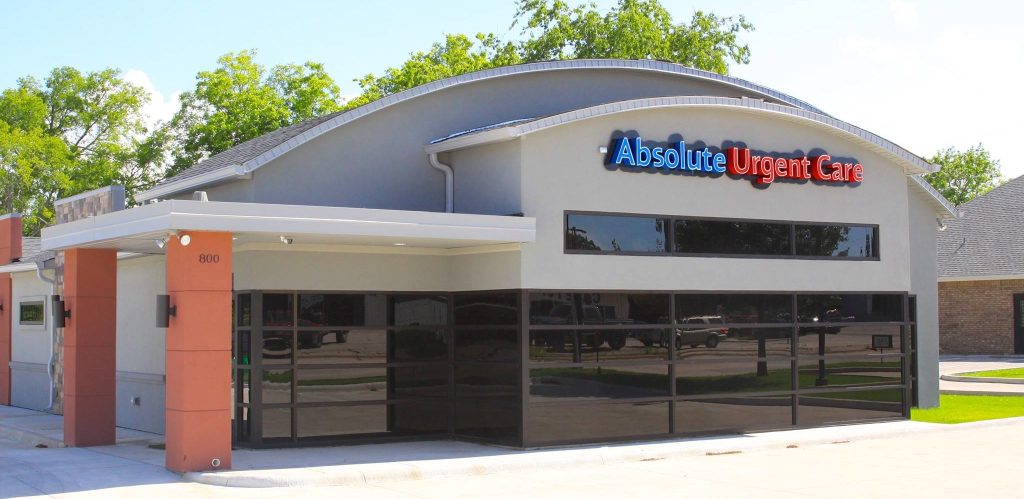
This guide covers the exact blood tests a primary care doctor orders for fatigue, how to prepare, and what to do when every result comes back normal. Our on-site lab services in Gainesville and Providence Village run many of these the same day you visit.
Before the Blood Draw: What Your Doctor Asks
Labs come second. The history comes first, because it decides which tests are worth ordering. During a family medicine visit, expect questions like:
- How long has this lasted? Fatigue over 6 months is handled differently from 3 weeks after a virus.
- Is it sleepiness (you nod off) or exhaustion (you can’t push through)? Sleepiness points to sleep disorders.
- Does activity make it worse for a day or more afterward?
- Any weight change, heavy periods, snoring, low mood, or loss of interest?
- What medications and supplements do you take?
Red Flags That Need Faster Care
Get seen promptly if fatigue comes with unexplained weight loss, fevers or night sweats, shortness of breath or chest pain, black or bloody stools, or new swollen lymph nodes.
The Core Fatigue Panel: First-Round Blood Tests
Most primary care doctors start with this panel. It covers the common, treatable causes.
| Test | What It Finds | Result That Often Explains Fatigue |
| Complete blood count (CBC) | Anemia, infection, blood disorders | Hemoglobin below about 12 (women) or 13.5 (men) g/dL |
| Ferritin | Iron stores | Under 30 ng/mL, even if hemoglobin is normal |
| Comprehensive metabolic panel (CMP) | Kidney, liver, electrolytes, glucose, calcium | Low sodium, high calcium, kidney or liver changes |
| TSH (with free T4 if abnormal) | Thyroid function | High TSH = underactive thyroid |
| A1C or fasting glucose | Diabetes and prediabetes | A1C 6.5% or higher = diabetes |
| Vitamin B12 (folate if indicated) | Nerve and red blood cell health | B12 under 200 pg/mL; 200 to 300 is borderline |
| ESR and/or CRP | Inflammation | Elevated levels suggest infection or autoimmune disease |
| Urinalysis | Kidney and urinary issues | Protein, blood, or glucose in urine |
| Pregnancy test (when applicable) | Pregnancy | Positive |
Why Ferritin Gets Missed
Here is a pattern we see often. A woman with heavy periods gets a CBC, her hemoglobin is “normal,” and she’s told her labs look fine. Her ferritin was never checked. Iron deficiency without anemia causes real fatigue, poor exercise tolerance, and restless legs. A ferritin under 30 ng/mL is worth treating.
Iron deficiency in men or after menopause needs a different conversation. Blood loss from the gut is the first thing to rule out, which is where digestive health care and celiac testing come in.
Thyroid: The Test Everyone Asks For
An underactive thyroid causes fatigue, weight gain, cold intolerance, constipation, and dry skin. TSH is the screening test. If it’s off, your doctor adds free T4 and sometimes thyroid antibodies. Ongoing treatment runs through our thyroid and hormone disorders care.
The CMP Covers More Than People Realize
One tube checks your kidneys, liver, sodium, potassium, calcium, and glucose. Declining kidney function causes fatigue long before other symptoms. Our kidney health team pays close attention to eGFR trends over time.
Second-Round Tests: Ordered Based on Your Story
If the core panel is normal, or your symptoms point somewhere specific, your doctor may add:
| Your Symptoms or Situation | Tests to Ask About |
| Men with low libido, low energy, loss of muscle | Morning total testosterone, repeated on a second morning |
| Bloating, diarrhea, iron deficiency | Celiac antibody test (tTG-IgA) |
| Recent sore throat, swollen glands, teens or young adults | Mono test (EBV) |
| Joint pain, rashes, mouth sores | ANA and other autoimmune markers |
| Muscle weakness, especially on a statin | CK (creatine kinase) |
| Low blood pressure, salt craving, darkening skin | Morning cortisol |
| Risk factors for infection | HIV and hepatitis C testing |
| Taking metformin or acid reducers long-term | B12 with methylmalonic acid |
Low testosterone requires two morning results below about 300 ng/dL plus symptoms. One low afternoon reading doesn’t count. If confirmed, our hormone replacement therapy program covers treatment options and monitoring.
Persistent joint pain with high inflammation markers may lead to evaluation for joint and autoimmune conditions such as rheumatoid arthritis or lupus.
How to Prepare for Fatigue Blood Work
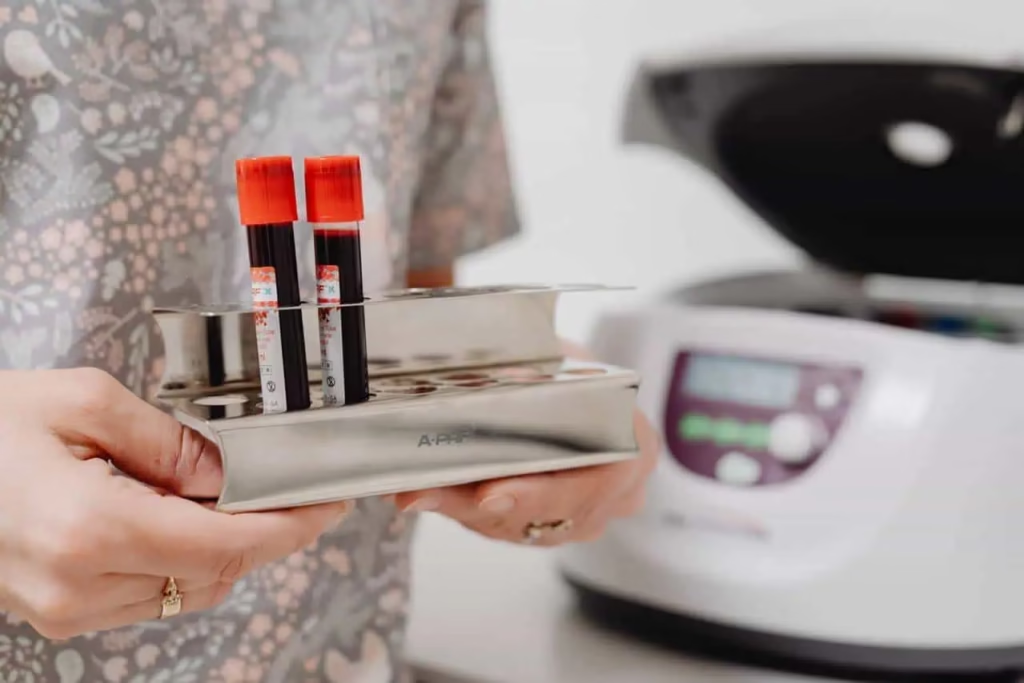
Small prep mistakes produce misleading results. Do these:
- Fast 8 to 12 hours if your doctor orders fasting glucose or a fasting lipid panel. Water is fine.
- Schedule early if testosterone or cortisol is ordered. Both peak in the morning.
- Stop biotin for 2 to 3 days. High-dose biotin (common in hair and nail supplements) can make thyroid and other tests read falsely.
- Skip iron supplements the morning of the draw.
- Hydrate. It makes the draw easier and avoids skewed kidney values.
- Bring your supplement list. Turmeric, energy blends, and pre-workouts can affect results and sleep.
Vitamin D: An Honest Take
Vitamin D is the test patients request most. Truth be told, a low vitamin D level is rarely the whole reason someone feels exhausted. Current endocrine guidance does not support routine vitamin D testing in healthy adults under 75 without a specific reason. Your doctor will check it when you have risk factors such as bone loss, malabsorption, kidney disease, or very limited sun exposure. Treating a true deficiency is cheap and reasonable. Expecting it to fix months of fatigue usually leads to disappointment.
When Every Blood Test Is Normal
This happens often. In primary care studies, routine blood work finds a clear physical cause for fatigue in only a small minority of patients. Normal labs aren’t a dead end. They point your doctor toward the next likely causes:
- Sleep apnea: Snoring, gasping, morning headaches, high blood pressure. A sleep study confirms it, and treatment can change everything.
- Depression and anxiety: Fatigue is a core symptom. Screening questionnaires take five minutes.
- Medication side effects: Antihistamines, beta blockers, some antidepressants, muscle relaxants, and sleep aids.
- Post-viral fatigue: After flu, COVID, or mono, recovery can take weeks to months.
- ME/CFS: Six months or more of fatigue that worsens for a day or longer after effort (post-exertional malaise), with unrefreshing sleep.
- Lifestyle load: Shift work, long DFW commutes, caregiving, alcohol, and dehydration.
Want to understand each value on your report? Our guide to what your lab results mean walks through common panels line by line.
North Texas Factors Behind Fatigue
| Local Factor | How It Drains Energy | What Helps |
| Summer heat over 100°F | Dehydration and electrolyte loss | Electrolyte check on your CMP; hydrate before outdoor work |
| Spring and fall allergy seasons | Poor sleep from congestion | Treat allergies; ask about non-sedating options |
| Early shifts and long commutes | Short, irregular sleep | Consistent wake time, even on weekends |
| Outdoor and physical labor | Overtraining, muscle breakdown | CK and kidney checks if you have dark urine or severe soreness |
Cost and Value: Testing Smart vs. Testing Everything
Ordering every possible test feels thorough, but it raises cost and creates false alarms. A targeted core panel catches the common causes at a fraction of the price.
| Approach | Cost | Usefulness |
| Targeted core panel after a history | Lower | Finds anemia, thyroid, diabetes, kidney, liver issues |
| Shotgun “wellness” panels | Higher | Many borderline results that need repeat testing |
| No testing, just “rest more” | Free upfront | Misses treatable causes for months |
Many of these tests fit into an annual physical, which most insurance plans cover as preventive care. Ask what’s covered before your draw.
Frequently Asked Questions
What is the single best blood test for fatigue?
There isn’t one. A CBC, ferritin, CMP, TSH, and A1C together catch the most common treatable causes.
How soon will I get results?
Many basic results come back within a day. Specialized tests can take several days.
Can low iron make me tired if I’m not anemic?
Yes. Low ferritin alone can cause fatigue, especially in menstruating women.
Should I see a doctor or just take supplements?
See a doctor first. Supplements can hide a problem, interfere with tests, or delay a diagnosis like diabetes or thyroid disease.
Get Answers Instead of Guessing
If tiredness has lasted more than a few weeks, it’s time for a real workup. Walk in to our Gainesville clinic at 800 W Highway 82, open 7 days a week (940-301-5000), or visit primary care in Providence Village at 26631 US Hwy 380 E, Suite A (940-686-7500). Bring your medication and supplement list, and we’ll build the right panel for your symptoms.