










Plenty of men only see a doctor when something breaks. A cut that needs stitches. A back that won’t loosen up. Meanwhile, the conditions most likely to cut a man’s life short, like heart disease, colon cancer, and diabetes, develop quietly for years.
CDC data consistently show men are less likely than women to have a regular source of primary care. That gap shows up later as late-stage diagnoses.
This guide lays out the screenings every man should schedule, decade by decade, based on U.S. Preventive Services Task Force (USPSTF) recommendations and current guidelines. Most of it fits into one annual physical a year.
Screenings Every Man Needs at Every Age
These apply from your first adult checkup onward:
- Blood pressure: Every year from 40 on, or with risk factors. Every 3 to 5 years from 18 to 39 if normal.
- Weight, BMI, and waist size: Every visit.
- Depression and anxiety screening: Recommended for adults; anxiety screening through age 64.
- Alcohol, tobacco, and drug use: Every visit.
- Skin check: Ask about suspicious moles, especially with heavy sun exposure.
- Vaccines: Tetanus booster (Td or Tdap) every 10 years and a yearly flu shot.
Men’s Health Screenings in Your 20s and 30s
This decade sets your baseline. Get the numbers now so future changes mean something.
| Screening | When | Why |
| Blood pressure | Every 3 to 5 years if normal, yearly if elevated | Hypertension is rising in younger men |
| Cholesterol and Lp(a) | Lipid panel at least once; Lp(a) once in a lifetime | 2026 guidelines support earlier treatment when LDL is high |
| HIV | At least once from 15 to 65 | USPSTF recommendation |
| Hepatitis C | Once from 18 to 79 | Most carriers have no symptoms |
| Hepatitis B | If at risk | Treatable when found early |
| STIs (chlamydia, gonorrhea, syphilis) | Based on risk and partners | Many infections are silent |
| Diabetes | From 35 if overweight | Prediabetes is reversible |
| HPV vaccine | Through 26; shared decision up to 45 | Prevents several cancers |
If your father had a heart attack in his 40s or 50s, start heart health screening now, not at 45. A strong family history changes your timeline.
Single or with new partners? Confidential STD testing is quick, and treatment is simple for most infections.
Men’s Health Screenings in Your 40s
This is the decade where numbers start drifting. Blood pressure creeps up, waistlines expand, and blood sugar edges toward prediabetes.
| Screening | When | Why |
| Blood pressure | Every year | Risk rises sharply after 40 |
| Lipid panel with PREVENT risk score | Every few years, or yearly with risk | Guides statin decisions |
| A1C or fasting glucose | Every 3 years from 35 if overweight | About 1 in 3 U.S. adults has prediabetes |
| Colorectal cancer screening | Start at 45 | Rising cancer deaths in men under 50 |
| Prostate cancer discussion | From 45 for Black men or with a father or brother diagnosed | Higher-risk men start earlier |
| Eye exam | Baseline by 40 | Glaucoma and vision changes |
Most of these come from one blood draw. Our on-site lab panels make it a single visit instead of three.
If your waist is over 40 inches, that’s a metabolic risk marker on its own. Structured weight loss support can bring down blood pressure, blood sugar, and triglycerides at the same time.
What About Low Testosterone?
Fatigue, low libido, erectile changes, and loss of muscle are common complaints after 40. Testosterone testing makes sense when you have symptoms, not as routine screening.
A proper diagnosis needs two early-morning tests showing levels below about 300 ng/dL, plus symptoms. Sleep apnea, obesity, opioids, and poorly controlled diabetes all lower testosterone and should be addressed too. If treatment fits, our testosterone and hormone therapy program includes the monitoring labs that keep it safe.
One more thing: erectile dysfunction often shows up years before heart disease. Treat it as a reason to check your heart, not just a prescription request.
Men’s Health Screenings in Your 50s
| Screening | When | Why |
| Colorectal cancer | Continue on schedule | Colonoscopy every 10 years, or stool test |
| Prostate cancer (PSA) | Shared decision, ages 55 to 69 | Benefits and harms depend on your values and risk |
| Lung cancer (low-dose CT) | Yearly, 50 to 80, with 20 pack-years and smoked within 15 years | Catches lung cancer early |
| Shingles vaccine | Two doses from 50 | Prevents a painful rash and nerve pain |
| Pneumococcal vaccine | From 50 | Current CDC recommendation |
| Hearing check | If you notice changes or work around noise | Hearing loss links to cognitive decline |
Understanding the PSA Decision
PSA testing finds prostate cancer early, but it also finds slow-growing cancers that never would have caused harm. That can lead to biopsies and treatment with side effects like incontinence and erectile dysfunction. The USPSTF recommends an individual decision from 55 to 69. Talk through your family history, race, and values with your doctor before testing.

Calculating Pack-Years
Pack-years equal packs per day times years smoked. One pack a day for 20 years equals 20 pack-years. So does half a pack for 40 years. Many men qualify for lung screening and don’t know it.
Men’s Health Screenings at 65 and Older
| Screening | When | Why |
| Abdominal aortic aneurysm ultrasound | Once, 65 to 75, if you ever smoked | A ruptured aneurysm is often fatal |
| Fall risk assessment | Yearly | Falls are a leading cause of injury death in older adults |
| Medicare Annual Wellness Visit | Yearly | Covered personalized prevention plan |
| RSV vaccine | Age 75 and older, or 50 to 74 at higher risk | Prevents serious respiratory illness |
| Kidney function | Yearly with diabetes or high blood pressure | Silent kidney decline |
| Colon screening decision | Individualized from 76 to 85 | Depends on health and past results |
Kidney screening matters more with age, especially if you take daily anti-inflammatory pain relievers for joint pain.
Workplace Risks Generic Checklists Miss
A lot of men in Cooke and Denton counties work outside, on job sites, on ranches, or behind the wheel. That changes which screenings matter.
| Job Type | Extra Risk | Screening to Add |
| Ranch and farm work | Sun exposure, injuries, chemical exposure | Yearly skin checks; tetanus status |
| Construction and oil field | Noise, heat, heavy lifting | Hearing test; heat-illness planning |
| Commercial driving | Sleep apnea, blood pressure, diabetes | DOT physical requirements; sleep screening |
| Welding and fabrication | Lung exposure | Breathing assessment; lung screening if eligible |
DOT physicals and job-related exams fall under our occupational medicine services, and they’re a good opportunity to catch blood pressure or blood sugar problems early.
How to Prepare for Your Checkup
A little prep turns a 20-minute visit into a complete one:
- Learn your family history. Ask parents and siblings about heart attacks, strokes, diabetes, and cancers, plus the age at diagnosis. Early heart disease in a father or brother before 55 changes your plan.
- Count your pack-years if you’ve ever smoked, so your doctor can check lung screening eligibility.
- Bring every medication and supplement, including pre-workouts, testosterone boosters, and sleep aids.
- Fast 8 to 12 hours if your doctor plans fasting labs. Water and black coffee are usually fine; ask first.
- Write down what’s bothering you, even if it seems minor or embarrassing. Snoring, erectile changes, and urinary symptoms are all relevant.
- Check your vaccine record for your last tetanus shot and whether you’ve had shingles or pneumococcal doses.
Symptoms Men Shouldn’t Wait on
Don’t save these for your annual visit. Get seen promptly for chest pressure with exertion, shortness of breath climbing stairs, blood in urine or stool, a new testicular lump, unexplained weight loss, or a mole that changes shape or color. For chest pain at rest, call 911.
The Value of One Visit a Year
| Approach | Cost | Outcome |
| Annual preventive physical | Usually covered at $0 on insured plans | Problems caught when cheap to treat |
| Waiting for symptoms | Free until it isn’t | ER visits, late-stage diagnoses, lost work |
If you need convincing, read why annual physicals matter for long-term health.
Frequently Asked Questions
How often should a healthy man get a checkup?
Once a year after 40 is a good rule. In your 20s and 30s, every 1 to 3 years works if your numbers are normal.
Do men need a testicular exam?
The USPSTF does not recommend routine testicular cancer screening in men without symptoms. Report any lump, swelling, or heaviness right away.
What blood tests should men get yearly?
Commonly a lipid panel, A1C or glucose, and a metabolic panel, adjusted to your age and risk.
Can I get a physical without an appointment?
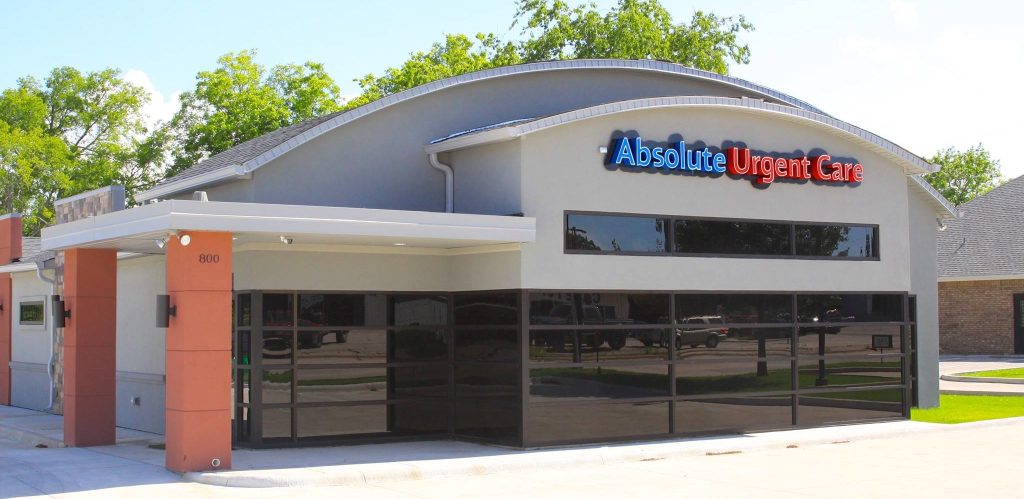
Yes. Both Absolute Urgent Care locations accept walk-ins.
Book the Checkup You’ve Been Putting Off
Pick the decade that matches your age, bring this list, and knock out what’s due in one visit. Walk in to primary care in Gainesville at 800 W Highway 82, open 7 days a week (940-301-5000), or our Providence Village clinic at 26631 US Hwy 380 E, Suite A (940-686-7500).