





A pharmacy kiosk flashed 148/92. Or the nurse at your last visit frowned at the cuff and took it twice. Now you’re wondering whether you need medication, whether this is dangerous, and what happens at the next appointment.
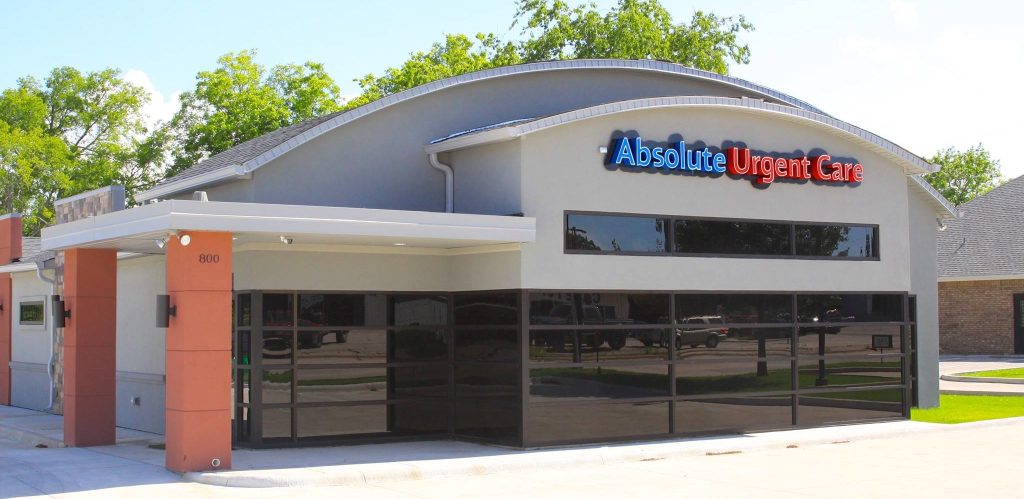
Here is the short answer. One high reading is a signal, not a diagnosis. Your primary care doctor’s job is to confirm the number, find out why it’s high, score your real cardiovascular risk, and then build a plan that fits your numbers. At Absolute Urgent Care, that process runs through our primary care in Gainesville and Providence Village clinics, with walk-in access when you don’t want to wait weeks.
This guide follows the 2025 American Heart Association and American College of Cardiology (AHA/ACC) high blood pressure guideline, the current U.S. standard.
What Your Blood Pressure Numbers Mean in 2026
The 2025 guideline kept the same categories doctors have used since 2017. What changed is how fast treatment starts and how risk gets measured.
| Category | Systolic (top number) | Diastolic (bottom number) | What Usually Happens Next |
| Normal | Under 120 | Under 80 | Recheck at your yearly physical |
| Elevated | 120 to 129 | Under 80 | Lifestyle changes, recheck in 3 to 6 months |
| Stage 1 hypertension | 130 to 139 | 80 to 89 | Risk scoring decides lifestyle-first vs. medication now |
| Stage 2 hypertension | 140 or higher | 90 or higher | Lifestyle changes plus medication, often a two-drug pill |
| Severe hypertension | Over 180 | Over 120 | Same-day medical contact; ER if symptoms are present |
Only one number needs to cross the line. A reading of 128/86 counts as stage 1 because the diastolic number is in range.
When a High Reading Is an Emergency
Skip the primary care visit and call 911 if your reading is above 180/120 and you have chest pain, shortness of breath, vision changes, sudden weakness or numbness, trouble speaking, or a severe headache. Those symptoms point to possible organ damage.
Above 180/120 with no symptoms? Sit quietly for five minutes and recheck. If it stays that high, call your doctor the same day.
Step 1: Your Doctor Confirms the Reading
A single office reading misses the truth more often than people expect. Two patterns explain why:
- White coat hypertension: Your pressure is high in the clinic and normal at home. Stress drives it.
- Masked hypertension: Your pressure looks normal in the clinic and runs high at home, often during work or at night. This one is riskier because it hides.
So your doctor will ask for out-of-office readings. Most patients do this with a home cuff. Some get a 24-hour ambulatory monitor.
How to Take Home Readings Your Doctor Can Trust
Bad technique can add 10 points or more to a reading. Follow this protocol for 7 days before your follow-up:
- Use a validated upper-arm cuff. Wrist cuffs and smartwatches are not reliable enough for diagnosis, according to the 2025 guideline.
- Pick the right cuff size. A cuff that is too small reads falsely high, which is common in larger arms.
- Skip caffeine, nicotine, and exercise for 30 minutes before. Empty your bladder.
- Sit with your back supported, feet flat, arm resting at heart level on a table. No talking.
- Rest 5 minutes, then take 2 readings 1 minute apart.
- Repeat morning (before medications) and evening.
- Log every number, or bring the cuff so we can read its memory.
Bring the cuff to your visit. We’ll check it against our clinic equipment so you know your home numbers are accurate.
Step 2: A Focused History and Exam
Next, your doctor looks for things that push blood pressure up. Expect questions about:
- Medications and supplements: Ibuprofen and naproxen, decongestants like pseudoephedrine, some antidepressants, ADHD stimulants, birth control pills, and high-dose caffeine products all raise pressure.
- Sleep: Loud snoring and daytime sleepiness suggest obstructive sleep apnea, a common hidden driver of hypertension.
- Alcohol, salt, and activity: Honest answers here shape your treatment plan.
- Family history: Early heart attack, stroke, or kidney disease in parents or siblings raises your risk.
The physical exam checks your weight and waist, heart and lung sounds, leg pulses, and signs of fluid retention.
Step 3: The Lab Workup
Labs answer two questions. Has high blood pressure already affected your organs? Is a second condition causing it? With on-site labs, many of these tests are drawn during the same visit.
| Test | What It Checks | Why It Matters for Blood Pressure |
| Basic or comprehensive metabolic panel | Sodium, potassium, creatinine, eGFR | Kidney function and electrolyte baseline before medication |
| Urine albumin-to-creatinine ratio (UACR) | Protein leaking into urine | Early kidney damage; changes which drug your doctor picks |
| A1C or fasting glucose | Blood sugar | Diabetes changes treatment urgency and drug choice |
| Lipid panel | LDL, HDL, triglycerides | Feeds your cardiovascular risk score |
| TSH | Thyroid function | Thyroid disease can raise blood pressure |
| Urinalysis and CBC | Blood, protein, anemia | Kidney and general health screen |
| ECG | Heart rhythm and thickening | Shows strain from long-standing high pressure |
Why Kidney Labs Get Extra Attention
Your kidneys and your blood pressure control each other. High pressure damages small kidney vessels, and damaged kidneys push pressure higher. That loop is why our kidney care approach starts with the UACR and eGFR results. Our medical director’s specialty is nephrology, so kidney findings get a close read here.
If your potassium comes back low, or your pressure stays high despite three medications, your doctor will screen for primary aldosteronism. This adrenal hormone problem is far more common than once believed and is treatable.
Step 4: Your Doctor Scores Your Real Risk With PREVENT
This is the biggest change in the 2025 guideline. Your doctor now uses the AHA PREVENT calculator to estimate your 10-year risk of heart attack, stroke, and heart failure. PREVENT uses your age, sex, cholesterol, blood pressure, diabetes status, smoking, kidney function (eGFR), and BMI.
Your PREVENT score decides what happens with stage 1 numbers:
| Your Situation | 2025 Guideline Approach |
| Stage 1, PREVENT risk under 7.5%, no diabetes or kidney disease | Lifestyle changes for 3 to 6 months, then medication if still at or above 130/80 |
| Stage 1, PREVENT risk 7.5% or higher | Medication plus lifestyle changes now |
| Stage 1 with diabetes, chronic kidney disease, or prior heart disease | Medication plus lifestyle changes now |
| Stage 2 at any risk level | Medication now, usually two drugs in one pill |
Our heart health checkups include this risk scoring, so you leave knowing your number instead of guessing.

Step 5: Your Treatment Plan
The Target
For most adults, the goal is below 130/80. The guideline also encourages pushing systolic pressure toward 120 when it can be done safely. That lower target also protects your brain: the guideline links systolic control under 130 to lower risk of cognitive decline and dementia.
Lifestyle Changes That Move the Number
These are not soft suggestions. Each one has measurable impact:
- DASH-style eating: Fruits, vegetables, beans, low-fat dairy, less red and processed meat. Expect a meaningful drop in systolic pressure within weeks.
- Sodium: Aim for under 1,500 mg per day, or cut at least 1,000 mg from your current intake. Restaurant meals and packaged foods hide most of it.
- Potassium-based salt substitutes: Now recommended by the guideline, unless you have kidney disease or take a medication that raises potassium. Ask first.
- Weight: Expect about 1 point of systolic drop for every kilogram (2.2 pounds) lost. Our medical weight loss program builds this into a supervised plan.
- Movement: 90 to 150 minutes per week of aerobic activity, plus resistance training.
- Alcohol: Less is better. The guideline favors none, and no more than 1 drink a day for women or 2 for men.
If You Need Medication
Most blood pressure drugs are generic, well studied, and inexpensive. Your doctor typically picks from four first-line groups:
| Drug Class | Common Example | Often Chosen When |
| Thiazide-type diuretic | Chlorthalidone | Most adults; strong outcome data |
| ACE inhibitor | Lisinopril | Diabetes or protein in urine |
| ARB | Losartan | Same as ACE inhibitor, fewer cough side effects |
| Calcium channel blocker | Amlodipine | Most adults; good for older patients |
For stage 2, the guideline recommends starting with two medications in a single combination pill. One pill a day gets people to goal faster and they actually take it. Our internal medicine team adjusts doses based on your home log, not just one office reading.
Step 6: Follow-Up Until You Hit Goal
Expect monthly check-ins until your pressure reaches target, then visits every 3 to 6 months. Each visit reviews your home log, side effects, and kidney labs if you started a diuretic, ACE inhibitor, or ARB.
Truth be told, follow-up is where most blood pressure plans fail. People feel fine, so they stop checking. High blood pressure has no symptoms until it causes a stroke, heart attack, or kidney damage.
North Texas Factors That Affect Your Blood Pressure Plan
Generic guidance skips local realities. These matter for patients in Cooke County and Denton County:
| Local Factor | Effect on Blood Pressure Care | What to Do |
| Long, hot summers | Diuretics plus heat raise dehydration and dizziness risk | Ask about summer dose review; hydrate before outdoor work |
| Restaurant and smoked-meat heavy diets | High hidden sodium | Ask for sauces on the side; read sodium on menus |
| Long commutes to the DFW metro | Less time for visits, more sitting | Use walk-in hours and evening slots |
| Ranch, construction, and outdoor work | Heavy exertion with uncontrolled pressure | Get control before peak summer workloads |
| High-deductible plans and no Medicaid expansion | Cost leads people to skip care | Use generics and membership pricing |
What Blood Pressure Care Costs vs. What Ignoring It Costs
Here is the thing: controlling blood pressure is one of the cheapest things in medicine. Generic first-line drugs often cost a few dollars a month with pharmacy discount programs. A home cuff costs less than a tank of gas.
Compare that to a stroke or heart attack hospitalization, which commonly reaches tens of thousands of dollars, plus lost work and long-term disability.
| Cost Item | Controlled Blood Pressure | Uncontrolled Blood Pressure |
| Medication | Low-cost generics | Same drugs later, plus more |
| Visits | 3 to 4 per year after control | Hospital, rehab, specialists |
| Lost work | Minimal | Weeks to permanent |
| Long-term risk | Sharply reduced | Stroke, heart failure, kidney failure, dementia |
Uninsured or on a high-deductible plan? Our Direct Primary Care membership covers unlimited office visits and basic lab panels for a flat monthly fee. If you have coverage, review the insurance plans we accept before your visit.
Frequently Asked Questions
Can one high reading mean I have hypertension?
No. Diagnosis needs multiple readings on separate occasions, ideally confirmed with home or 24-hour monitoring.
Will I be on blood pressure medication forever?
Not always. Significant weight loss, lower sodium, and less alcohol let some patients reduce or stop medication under supervision. Never stop on your own; rebound spikes can be dangerous.
Is 130/80 really high?
Yes, under current guidelines it is stage 1 hypertension. Whether you need medication depends on your PREVENT risk score.
Can I get my blood pressure checked without an appointment?
Yes. Both Absolute Urgent Care locations accept walk-ins. Gainesville is open 7 days a week.
Get Your Blood Pressure Plan Started This Week
You don’t need to wait for your annual physical to act on a high reading. Walk in to our Gainesville clinic at 800 W Highway 82 (940-301-5000), or visit primary care in Providence Village at 26631 US Hwy 380 E, Suite A (940-686-7500). Bring your home cuff, your medication list, and your readings. We’ll take it from there.